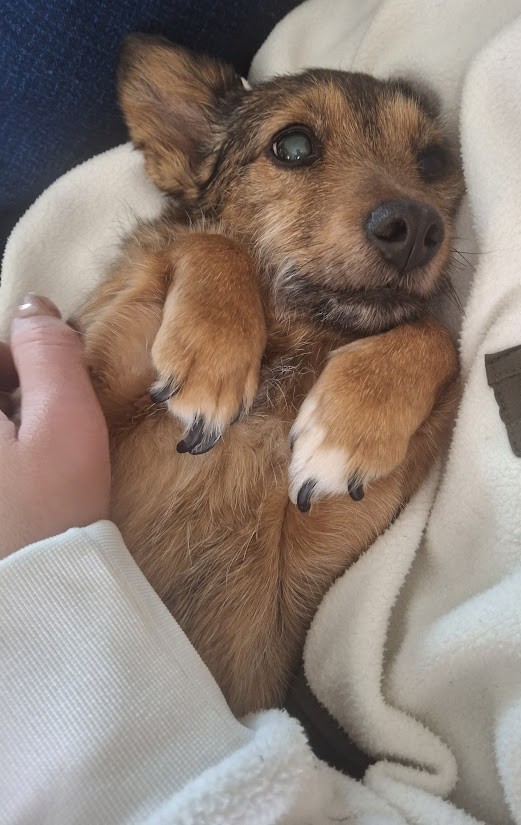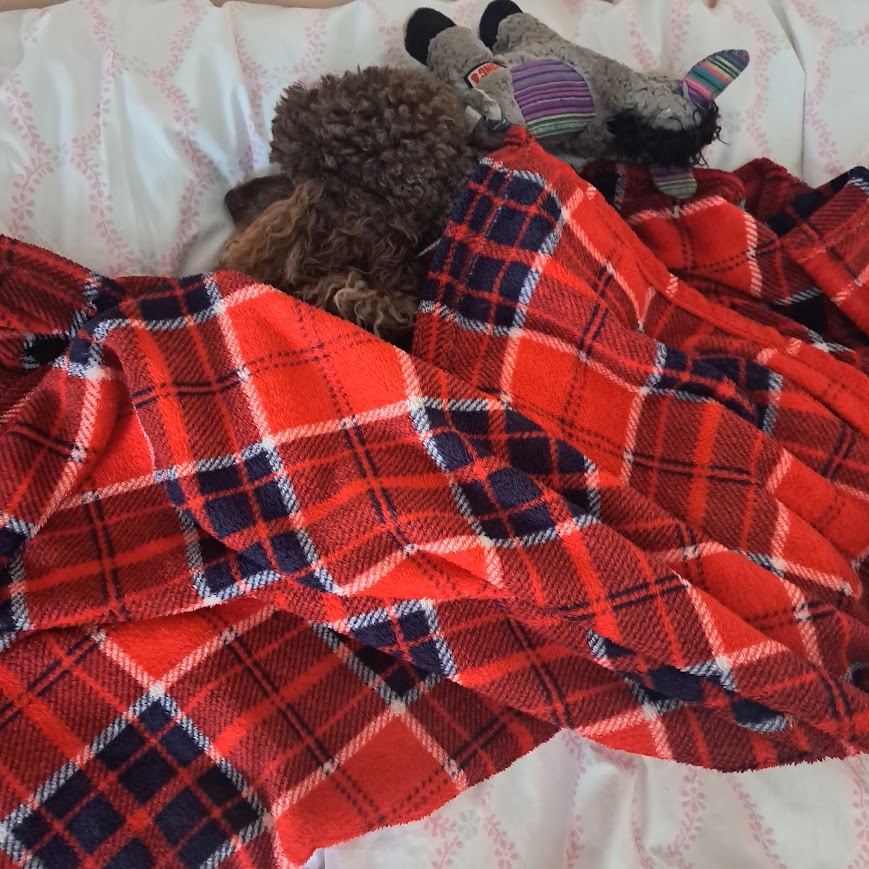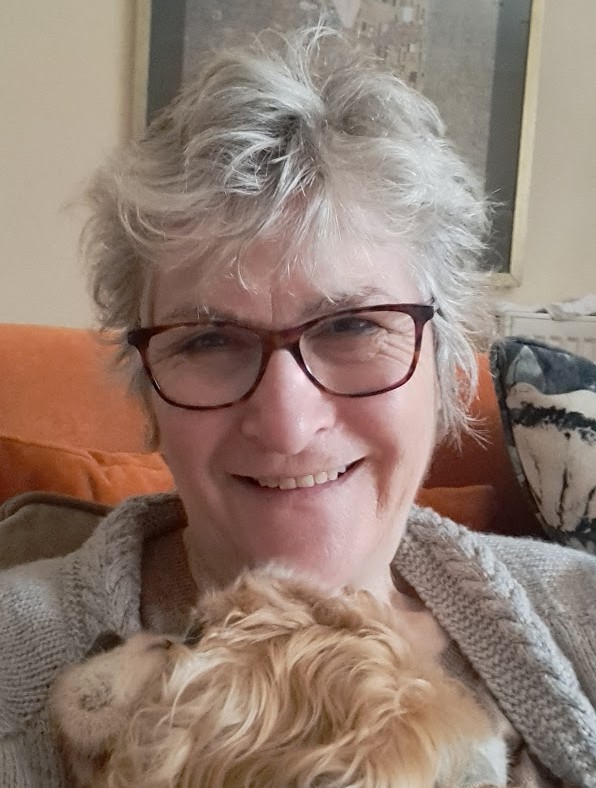

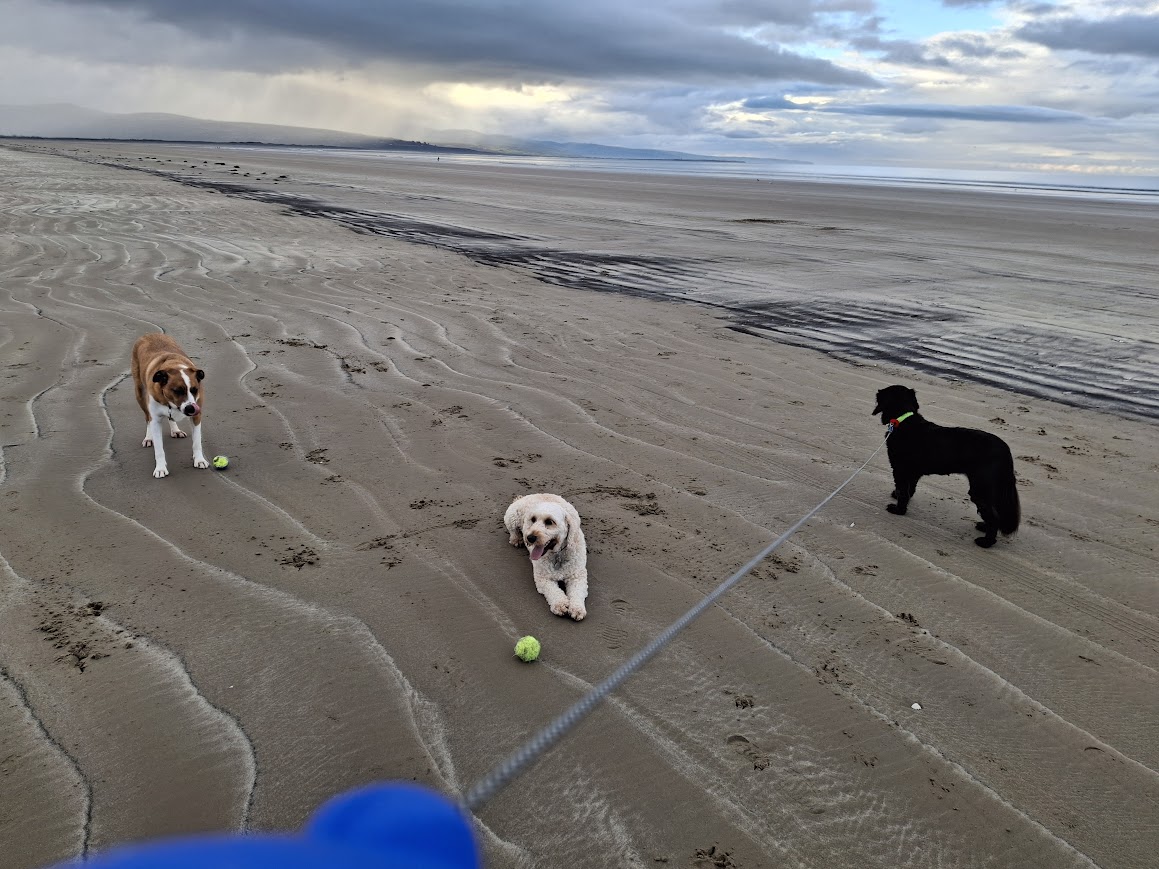
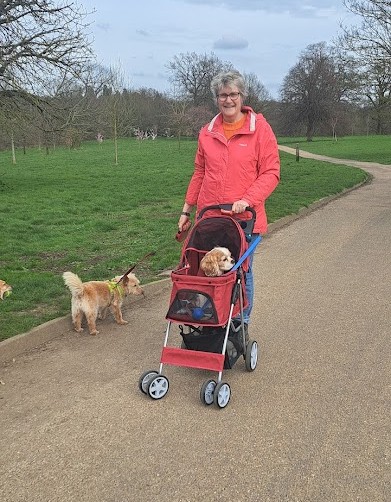
They move a little more slowly now. The joints aren’t quite as forgiving as they once were. There’s sometimes medication to remember, or walks that are shorter and gentler — taken at their pace rather than ours.
And yet the heart of them hasn’t changed at all.
They still want to be near you. Still wander after you from room to room, just to be close. Still settle beside you with that same familiar contentment — still very much part of things, in all the ways that count.
It’s rarely the big things with older dogs. It’s the small, almost invisible adjustments that matter most.
For owners, that’s often what makes leaving feel different. It isn’t simply a question of whether they’ll be fed or walked. The real questions are more particular than that: will someone notice if they seem a little off today? Will they understand their rhythm? Will they take the time — and not rush them?
Letting a walk take as long as it takes. Making sure there’s a warm, comfortable place where they can properly rest. Sensing when they need a little less expectation and a little more ease. These are the things that make the real difference, and they’re not things you can do well in a hurry, or without paying genuine attention.
It isn’t really about looking after them in the usual sense. It’s about adapting as they change. Meeting them where they are now, not where they used to be.
When the same person returns regularly to care for them, something settles. Their rhythms are already known. Their preferences understood. The small signs — the ones that might go unnoticed by someone less familiar — don’t get missed. There’s less disruption for them, and more reassurance for you.
That continuity, I’ve found, is one of the most valuable things I can offer an older dog. And it’s one of the things I take most seriously.