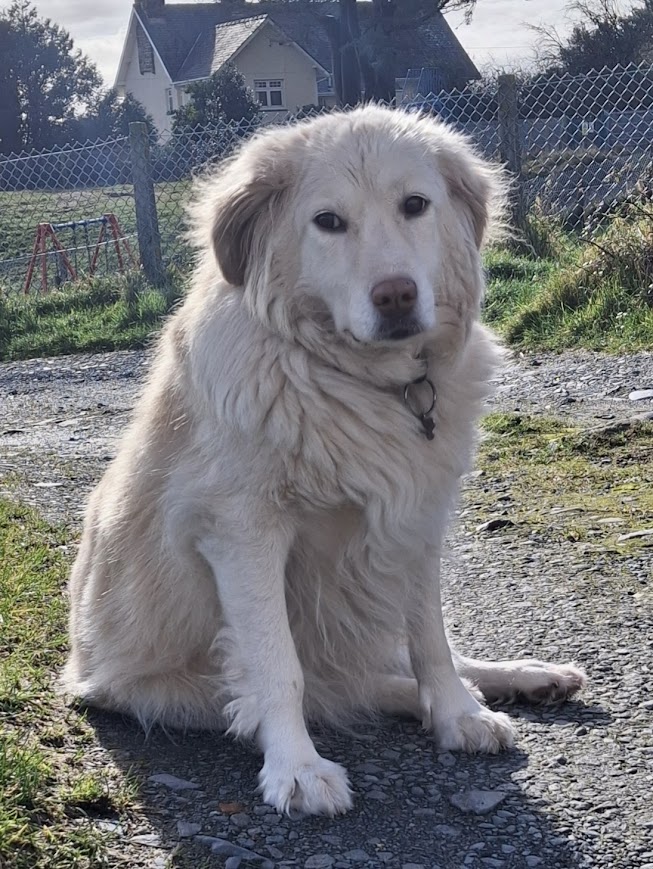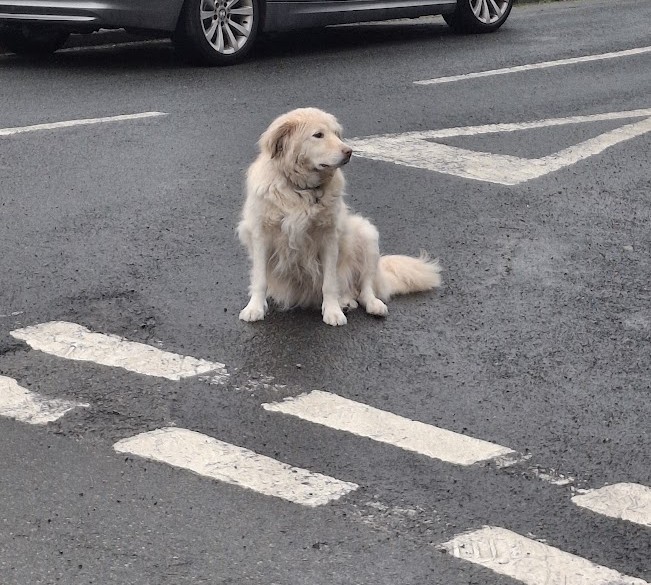

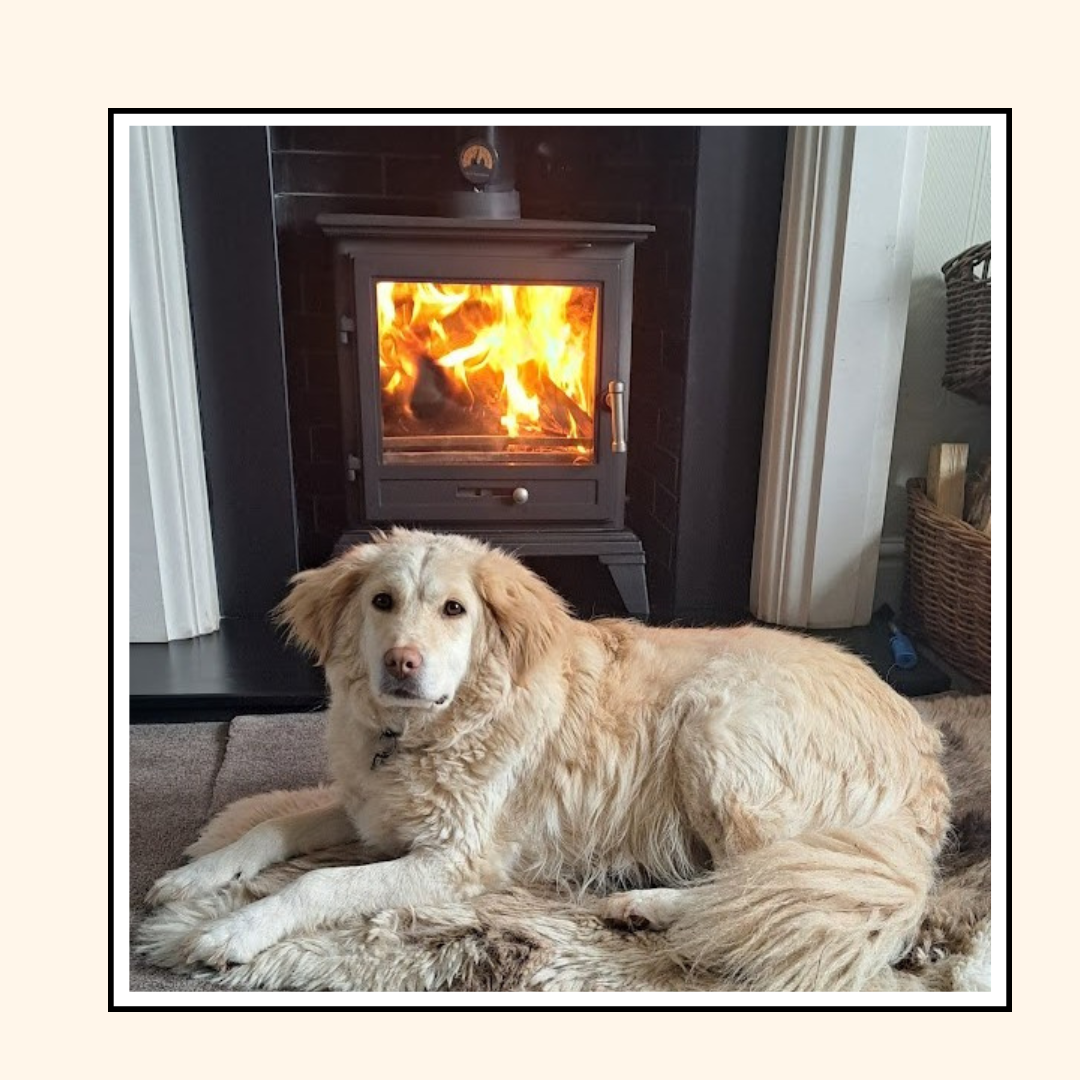
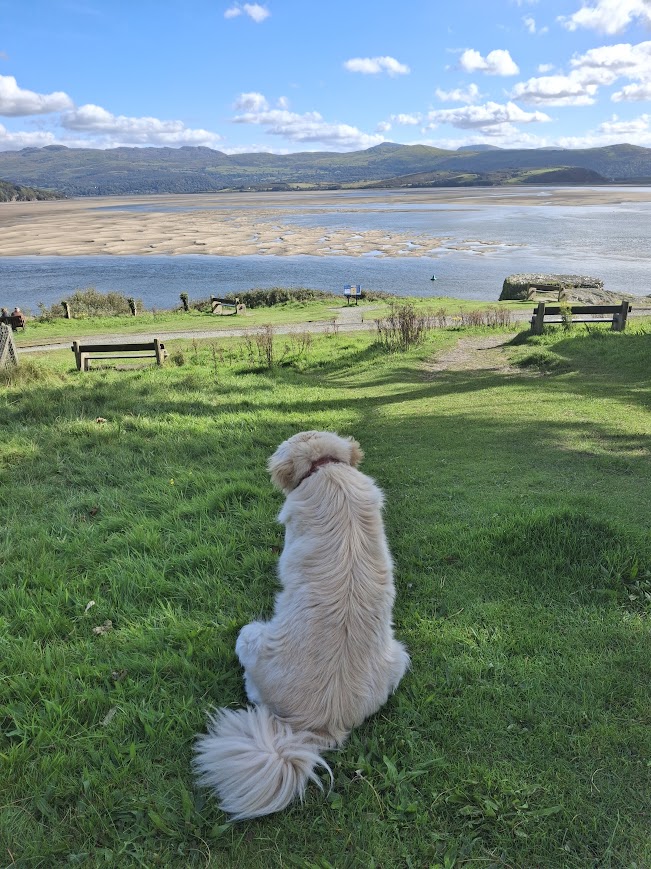
I’ve been caring for a dog with significant mobility challenges. She isn’t old, but her body asks something different of her now, and her world moves at a slower pace — measured and thoughtful, with time to pause and take everything in.
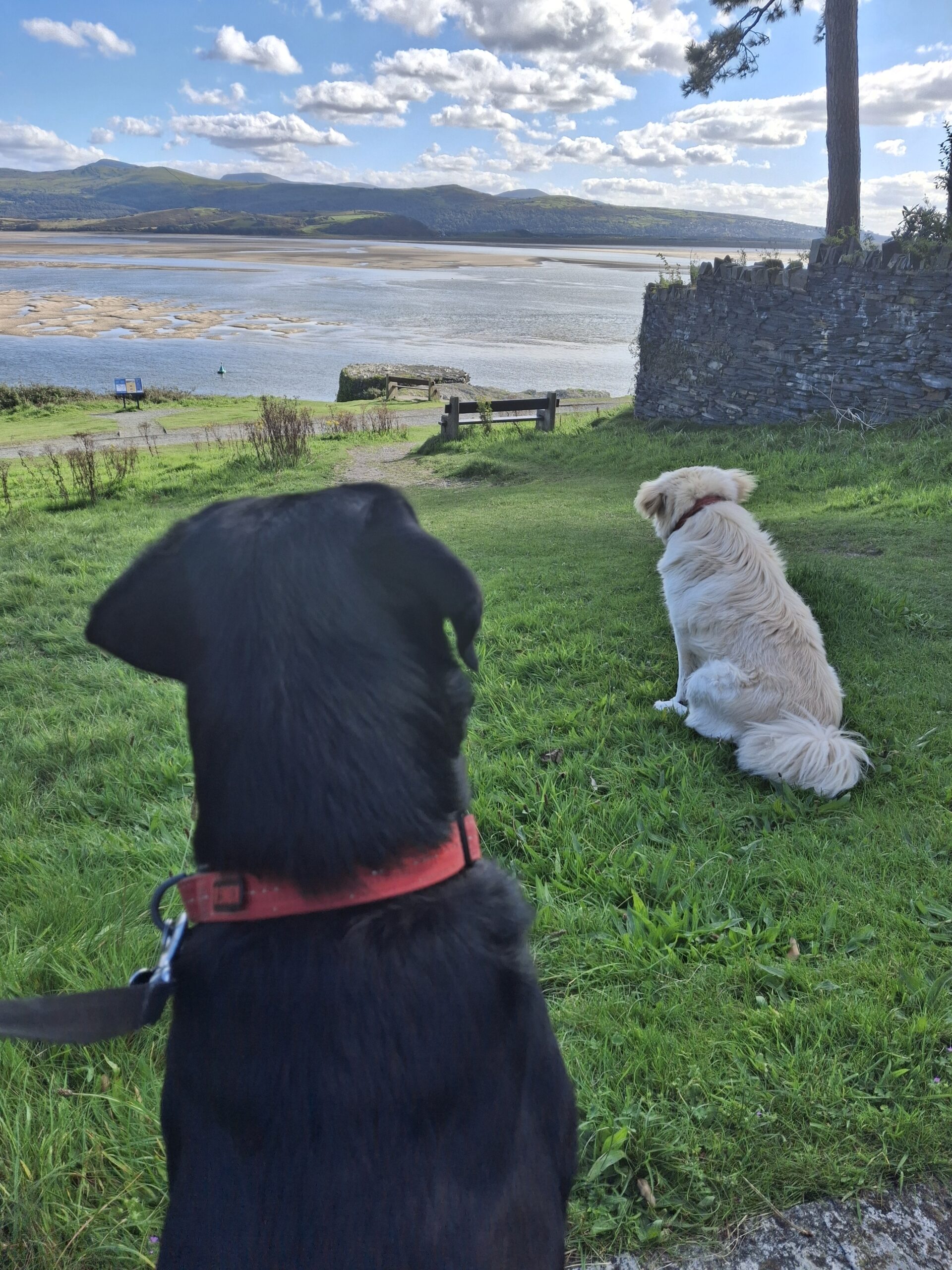
She has a place she likes to go. A spot where she can sit and look out over the landscape. We always make our way there at an ambling pace. There’s no rush. It’s part of her day, and it matters that she gets time to enjoy it.
In the same home there’s a young Labrador — full of energy, curiosity, and the need to move. His rhythm is completely different, so the day is shaped around them as individuals, not as a pair. One needs patience, careful movement, and steady support. The other needs activity, engagement, and space to burn off energy.
This kind of care asks for more than routine. It asks for attentiveness, adaptability, and experience.
Working regularly with the same household means I begin to know them — not just their routines, but their preferences, their signals, the small changes that I don’t want to miss. I notice when a movement is slightly more hesitant, when a familiar walk needs adjusting, when energy is different or something isn’t quite as it was before.
That familiarity allows care to become more holistic and more responsive — and more settled for the animals themselves. There’s less explaining, less disruption, and a continuity that supports both their physical needs and their sense of security.
For owners, that brings a different kind of peace of mind. Not just that things are being done, but that their animals are genuinely understood.